Black and White Educational Book Globe Review
If you're an embroidery designer or a small business owner in the craft industry, choosing the right design for your next project is more than just picking something that looks good—it’s about how it will perform after stitching, how customers will perceive it, and whether it adds value to your handmade product. The Black and White Educational Book Globe caught my attention not only for its theme but also for the versatility it offers when applied to various real-world projects.
First Impressions: A Clean and Classic Design
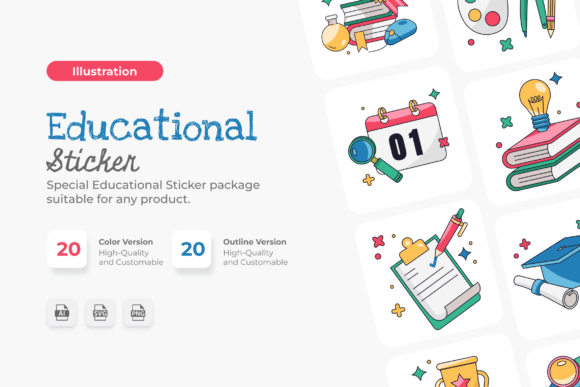
The Black and White Educational Book Globe brings a cohesive educational motif together with clean lines and subtle detail. At first glance, the design feels like a thoughtful illustration rather than a generic graphic. It includes familiar symbols like a book, globe, apple, pencil, triangle, school building, backpack, light bulb, magnifying glass, certificate, and more—each rendered in black and white with varying levels of contrast and texture.
What stands out is the balance between simplicity and symbolism. The layout suggests a collage or grouped icon style, making it ideal for designs where multiple elements need to coexist without visual clutter. As someone who frequently works with machine embroidery files for both personal and commercial use, I appreciate how this design maintains a professional look while still feeling handcrafted and approachable.
Real-Life Use Scenarios
This design could easily become a staple in your repertoire of embroidery assets. For instance, if you’re preparing custom embroidered tote bags for a back-to-school line, the Black and White Educational Book Globe can serve as a central motif. Its monochrome palette ensures it remains timeless and versatile across different fabric colors and styles.
Similarly, when creating personalized gifts such as baby onesies or nursery decor items, the gentle and classic nature of the design makes it feel warm and inviting. The inclusion of a globe hints at global learning or cultural appreciation, which is a great touch for parents who want their child's room or clothing to reflect curiosity and creativity.
I’ve also used similar graphics on sweatshirts and aprons for boutique branding. This particular design would work well for an Etsy seller looking to offer a line of custom apparel with an intellectual flair. The icons are clear enough to stitch on medium to large hoop sizes, yet they maintain enough character to stand out as part of a larger pattern.
Where It Shines
- Tote bag design: The flat, uncluttered look fits perfectly on cotton canvas or twill fabrics, especially when paired with satin-stitched text.
- Sweatshirt embroidery: Works best on light-colored garments where the black thread can pop clearly against the background.
- Baby clothes: The soft imagery of a globe, apple, and pencil gives a playful yet sophisticated vibe suitable for educational-themed childrenswear.
- Embroidered patch: With its limited color palette, it translates well into a single-color applique design using contrasting threads.
- Printable mockups: Ideal for digital product previews since the black and white composition allows for easy layering and mockup testing.
Design Elements That Work Well
The machine embroidery design has a structured composition that makes it easy to position and scale. Each element—like the globe or the certificate—is distinct enough to avoid confusion during stitching. The details, though minimal, are consistent, and the overall aesthetic feels intentional and refined.
When considering stitch types, the design seems to be built with a combination of fill stitches and running stitches, which is efficient for production and reduces the risk of overstuffing the fabric. The absence of tiny lettering or overly intricate corners means it’s less likely to break down during high-volume stitching or on delicate materials.
Use with Caution: Practical Limitations
While the Black and White Educational Book Globe is a strong candidate for many projects, there are a few limitations to keep in mind before committing to a full production run or client order.
Small Hoop Sizes
The design is rich in elements, so scaling it down for smaller hoops (under 4x4 inches) may compromise clarity. Important features like the globe or school building might become too small to recognize, reducing the visual impact of your finished product.
Textured or Stretchy Fabrics
On fabrics like denim or stretchy knits, the stitch density might create puckering or distortion unless properly adjusted. Always consider the fabric texture and how it interacts with fill and satin stitches before proceeding.
Dark Fabric Backgrounds
Though the design is in black and white, using it on dark fabric can mute the effect significantly. You’ll need to test thread contrast carefully to ensure the design remains visible and appealing.
Products That Require Frequent Washing
Because the design relies heavily on fine lines and running stitches, frequent washing could lead to fraying or fading, especially if the stabilizer isn’t correctly applied. It’s worth noting for anyone planning to sell handmade products that might endure heavy use.
Customer Perception and Project Value
From a customer perspective, the Black and White Educational Book Globe conveys a sense of quality and thoughtfulness. It doesn’t scream "cheap," nor does it try too hard to look expensive—it strikes a perfect middle ground. Clients and buyers tend to respond well to designs that feel curated, and this one definitely falls into that category.
As an embroidery file, it contributes to a product’s perceived value by adding meaningful content. Whether you’re designing for a craft fair product, a holiday gift, or a branded item for a small shop, the design’s educational theme opens up opportunities for niches like teacher appreciation, student gifts, or even home-schooling merchandise.
Visual Appeal and Brand Consistency
Its minimalist tone aligns well with modern, clean aesthetics, making it a good fit for brands aiming for a professional look. If you already have a collection of black and white educational motifs, this design can help maintain brand consistency across your product range.
However, if your brand leans toward bold colors or maximalist patterns, this design might not provide the visual punch you’re after. Still, it’s a safe bet for those who prioritize subtlety and elegance in their design assets.
Designer Notes: Best Practices for Use
- Test on scrap fabric first: Before embroidering on a final product, always do a trial run. Check how the design lays and how the stitches behave on your specific material.
- Review stitch density: Especially in areas like the globe or school building, where fill stitches are present. Adjust the density slightly if needed to prevent stiffness or puckering.
- Confirm hoop size requirements: Since the design contains multiple elements, make sure your hoop can accommodate the full layout without stretching the fabric.
- Inspect small details: Though the design avoids tiny lettering, the thin lines in some icons (like the pencil or magnifying glass) might require careful adjustment to ensure visibility after stitching.
- Use proper stabilizer: Depending on the fabric type, tear-away or cut-away stabilizers may be necessary to preserve the integrity of the design.
- Check licensing terms: If you plan to sell finished products or include it in a digital embroidery file for resale, confirm the licensing permissions to stay compliant and avoid issues later on.
Final Thoughts for Embroidery Designers and Craft Entrepreneurs
The Black and White Educational Book Globe is a solid choice for designers who want to add a touch of intellect and charm to their embroidery projects. It’s not flashy, but it’s functional, expressive, and adaptable. When used wisely, it can elevate everything from a simple custom apparel piece to a premium personalized gift or commercial embroidery asset.
Remember, the success of any embroidery project lies in the thoughtful application of the design. This file deserves the same consideration. Test it thoroughly, understand its strengths and weaknesses, and then decide how best to integrate it into your workflow. When done right, it can become a trusted part of your design library—one that enhances your product value and connects with your audience on a deeper level.