Open Book Minimal Line Art: A Versatile Graphic Design Asset for Crafts and Local Businesses
As a brand designer who regularly works with small businesses, I always look for design assets that offer both visual appeal and functional versatility. Recently, I came across the Open Book Minimal Line Art, and after reviewing it in depth, I can confidently say it's a compelling choice for many local branding projects — especially when simplicity and symbolism are key.
First Impressions: Clean, Modern, and Symbolically Rich
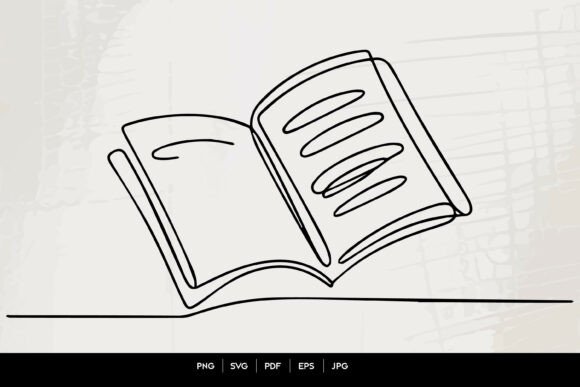
The Open Book Minimal Line Art immediately stands out as a refined and elegant illustration. It features a stylized open book with minimal linework that suggests movement, pages, and curiosity. The lack of intricate details makes it feel modern and adaptable, while the subject matter evokes themes like knowledge, learning, literature, and creativity. This graphic doesn’t shout; it whispers sophistication, which is perfect for brands looking to convey a thoughtful, intellectual, or educational vibe without being too literal.
I found this asset particularly fitting for businesses in the handmade, craft, and lifestyle sectors. Think of a boutique store offering curated books and stationery, a coffee shop promoting its reading nook, or a skincare brand using the symbol of an open book to represent transparency and education about ingredients. It’s also great for startups in the edtech or tutoring space.
How Open Book Minimal Line Art Supports Brand Identity
A strong brand identity hinges on consistency and clarity. This line art helps achieve both by offering a clean visual motif that can be repeated across various touchpoints. Whether you're designing a logo, product label, or social media graphic, the Open Book Minimal Line Art provides a subtle yet recognizable element that ties your messaging together.
- Visual Hierarchy: Use the open book as a focal point in packaging or editorial layouts to guide the viewer’s eye toward key information such as product names or taglines.
- Brand Personality: Its minimalist style supports a calm, intellectual, and approachable brand personality — ideal for niche or community-focused businesses.
- Customer Trust: When used on labels or marketing materials, the book motif subtly communicates openness and authenticity, especially in industries like food, education, or wellness.
Real-World Applications for Small Business Branding
One of the most exciting aspects of the Open Book Minimal Line Art is how easily it can be integrated into different design elements. Here are some practical applications I’ve considered for real local business projects:
1. Product Labels and Packaging Accents
This line art could serve beautifully as a decorative accent on product labels or packaging. For example, a handmade soap brand might use it on a back label to suggest “knowledge” behind their natural formulations. Or a local bookstore could incorporate it into a gift bag design to reinforce the theme of discovery and learning.
2. Social Media Graphics and Website Banners
Minimalist line art often performs well in digital spaces where loading speed and clarity matter. I tested it on a mockup for a children's educational toy brand, and it added just the right amount of detail to hero banners without overwhelming the text. It pairs well with soft pastel tones and sans-serif fonts for a modern, youthful aesthetic.
3. Thank-You Cards and Hang Tags
Handwritten-style thank-you cards or hang tags benefit from this kind of imagery. Adding the open book illustration to a thank-you note gives it a personal and meaningful touch, especially if the brand values storytelling or customer education. Similarly, hang tags for school supplies or literary-themed products gain a professional edge with this graphic.
4. Seasonal Campaigns and Promotional Materials
During back-to-school or holiday campaigns, the Open Book Minimal Line Art becomes a powerful visual metaphor. Used on posters or flyers, it can signal “new beginnings,” “learning,” or “gifts for the mind.” It adds emotional resonance without needing much explanation.
5. Editorial and Print Layouts
In printed materials like price lists, menu graphics, or educational brochures, the open book can act as a header icon or page divider. Its clean form ensures it doesn't distract from the content but instead enhances readability and organization.
Where This Graphic Design Asset Works Best
Here are the top areas where I recommend using the Open Book Minimal Line Art for maximum impact:
- Hero Graphics: As a central image in website headers or Canva templates, it reinforces brand themes with subtlety.
- Decorative Brand Elements: Ideal for creating cohesive visual motifs in branding guides, especially for educational or literary niches.
- Promotional Banners: When paired with bold typography, it conveys professionalism and purpose in print or digital ads.
- Seasonal Packaging: Great for wrapping paper, gift tags, or limited-edition items tied to academic or cultural events.
- Boutique Visuals: Especially effective in shops selling books, journals, or educational toys, where the illustration naturally aligns with the product.
- Social Media Campaigns: Perfect for Instagram posts, Pinterest boards, or Facebook ads where the goal is to evoke emotion through simple visuals.
Use It Carefully in These Situations
While the Open Book Minimal Line Art is versatile, there are certain contexts where it may not perform optimally. Here are a few scenarios to consider before integrating it into your design:
- Formal Corporate Branding: If your client is in finance, law, or technology and prefers a starkly professional look, this asset might feel too whimsical or outdated.
- Very Small Labels: The fine linework may become less legible at tiny sizes, so preview it on product mockups before finalizing.
- Crowded Product Packaging: Avoid using it in busy designs where it might get lost among other graphics or text.
- Ingredient-Heavy Layouts: In food or supplement packaging where dense nutritional or ingredient information is displayed, the illustration should be secondary to maintain clarity.
- Low-Contrast Backgrounds: On muted or textured surfaces, ensure the line art remains visible by adjusting stroke weight or background contrast.
- Luxury Minimalist Brands: While minimalist, the open book might not fit the ultra-sleek, monochrome aesthetics preferred by high-end fashion or beauty brands.
- Competing Decorations: If your layout includes multiple decorative elements, the open book should be placed carefully to avoid visual clutter.
Practical Brand Designer Notes
Before committing to using the Open Book Minimal Line Art in any project, here are some essential checks I recommend:
- Test on Real Mockups: See how it looks on actual packaging dimensions and materials, whether digital or physical.
- Check Black-and-White Usage: Ensure it still maintains shape and meaning when color is removed, especially for print work.
- Preview on Small Labels: Test how it scales down for use on tags, stickers, or product seals.
- Pair With Your Brand Colors: Try overlaying it with your brand palette to confirm it complements rather than clashes.
- Compare Competitor Packaging: Evaluate whether the open book will help your brand stand out or blend in with others in the same category.
- Review Print Quality: Make sure the lines don’t break or pixelate when printed at scale, especially for premium packaging or signage.
- Inspect SVG or Vector Editability: Since this is available in vector formats, review the editability to customize stroke weights or colors efficiently.
- Test Font Pairings: Try it beside serif, sans-serif, script, handwritten, and display fonts to find the best match for your brand tone.
- Confirm Commercial Licensing: Always verify the commercial license terms before using it for logos, branded products, or sales collateral — especially if you're working with clients or selling physical goods.
Why This Craft-Inspired Line Art Belongs in Your Toolkit
For small business branding, finding the right balance between creativity and functionality is crucial. The Open Book Minimal Line Art bridges that gap by offering a timeless symbol wrapped in a contemporary design. It fits seamlessly into both crafts and graphics workflows, making it a valuable addition to your creative arsenal.
Whether you're designing a new product line for a home decor shop, refreshing a bakery’s packaging to include a reading corner theme, or building promotional materials for a children's educational toy range, this line art has the potential to elevate your visual strategy. It adds character without noise, supports storytelling without overcomplication, and offers flexibility across formats — from digital illustrations to printable inserts.
Final Thoughts for Brand Designers and Creative Entrepreneurs
Graphic design assets like the Open Book Minimal Line Art are more than just clipart; they’re tools that help communicate brand values visually. In the case of this particular illustration, it speaks volumes with very little — a hallmark of great design.
If you're working on a project that needs a touch of intellect, a hint of tradition, or a nod to literature, this asset is worth considering. Just remember to apply it thoughtfully, ensuring it supports your brand’s voice and meets the practical demands of your target medium.
Next time you're browsing a creative marketplace for design assets, keep an eye out for the Open Book Minimal Line Art. You'll find it's more than just a pretty picture — it's a strategic element in the toolkit of professional branding and packaging design.