Writing Notebook Line Art SVG: A Versatile Graphic for Local Business Branding
As a brand designer with years of experience working with small businesses, I often find myself sifting through design assets to find the perfect fit for a client’s visual identity. Recently, I came across the Writing Notebook Line Art SVG, and it immediately caught my eye for its clean lines and subtle charm. This illustration isn’t just another clipart—it has the potential to elevate branding in a meaningful way when used thoughtfully.
A Soft and Modern Illustration That Speaks Volumes
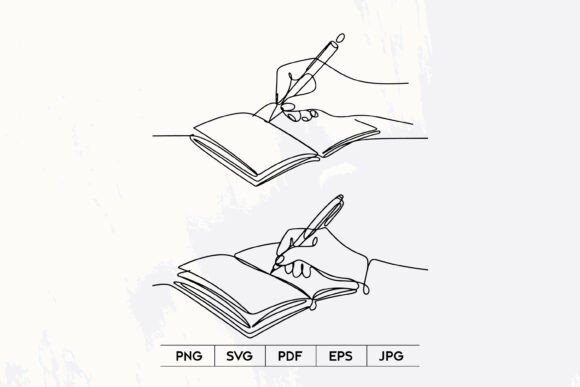
The Writing Notebook Line Art SVG brings a quiet elegance to any design. It features a stylized notebook with a pen resting beside it, rendered in minimalist line art. The overall feel is calm, creative, and approachable—perfect for brands that want to communicate a sense of thoughtful craftsmanship or intellectual curiosity.
This graphic doesn’t shout; it whispers. Its understated nature makes it ideal for businesses like handmade journals, stationery shops, coffee roasters, boutique bookstores, or even educational product lines. It suggests creativity, learning, and personal expression—all while maintaining a professional edge. For a local business looking to stand out without overwhelming the viewer, this asset could be a game-changer.
Real-World Applications in Small Business Design
When evaluating design assets, I always ask: where can this be used effectively in a real-world branding project? Here are some practical uses I see for the Writing Notebook Line Art SVG:
- Product Labels: Ideal for journaling products or educational items. Pair it with a handwritten font for a cohesive look.
- Packaging Accents: Use it as a background element on box wraps or as an overlay on gift packaging for a creative touch.
- Hero Graphics: Feature it prominently on social media banners or website headers for content around writing, learning, or lifestyle topics.
- Decorative Brand Elements: Incorporate into thank-you cards, printable inserts, or hang tags to add a personal and artistic flair.
- Promotional Banners: Perfect for campaigns related to back-to-school, productivity tools, or creative workshops.
- Product Mockups: Use it in digital mockups to showcase how your product will look in use—especially if you sell notebooks or pens.
- Seasonal Campaigns: During holidays like Christmas or New Year’s, it can subtly reinforce themes of reflection, planning, and growth.
How It Enhances Brand Presentation
One of the most compelling aspects of the Writing Notebook Line Art SVG is how it supports stronger brand presentation. Let’s break down the impact it can have:
- Stronger First Impressions: The clean, modern style instantly draws attention and creates a positive impression.
- Better Product Recognition: Repeated use of the notebook motif helps customers associate your brand with creativity and organization.
- Clear Visual Hierarchy: When layered behind text or placed strategically, it helps guide the viewer’s eye toward key messages.
- Consistent Brand Identity: This graphic can be used across multiple platforms—from print labels to digital banners—to create a unified look.
- Improved Customer Trust: The premium aesthetic and simplicity suggest professionalism, which builds trust with discerning customers.
- Professional Packaging: Even basic packaging looks more curated with the addition of this refined illustration.
- Better Shelf Appeal: In retail environments, the soft lines and recognizable theme help your product stand out among competitors.
- Emotional Connection: The imagery evokes a sense of nostalgia and creativity, encouraging customers to imagine using your product in their own lives.
- Polished Marketing Visuals: Whether you’re creating a Canva template for a blog post or designing a flyer for a local workshop, this illustration adds polish and purpose.
Where This Asset Truly Shines
While versatile, the Writing Notebook Line Art SVG works best in certain design scenarios. These include:
- Product Label Design: Especially for stationery, journals, or educational tools. It adds a layer of personality without clutter.
- Packaging Accents: Place it subtly in the corner of a box wrap or use it as a border element for a cohesive yet non-distracting design.
- Hero Graphics: On landing pages or social media posts focused on creativity, learning, or self-expression.
- Printable Inserts: Include it in downloadable guides, planners, or note-taking templates to enhance user experience.
- Social Media Campaigns: Pair it with motivational quotes about writing or learning for engaging content that resonates with your audience.
- Boutique Branding: Great for niche businesses that value handcrafted aesthetics and storytelling in their visuals.
Use It Carefully in These Situations
Though powerful, this illustration isn’t suitable for every context. As a seasoned designer, I’ve learned the importance of knowing when not to use something. Here are areas where the Writing Notebook Line Art SVG might need to be handled with care:
- Formal Corporate Branding: The whimsical tone may not align with highly professional or technical industries.
- Very Small Labels: The details in the line art may become too fine to render clearly at smaller sizes.
- Crowded Product Packaging: If your label already contains a lot of information, adding this illustration could overwhelm the layout.
- Ingredient-Heavy Layouts: Avoid placing it over or near dense text blocks to maintain readability.
- Legal Information Areas: Never let decorative elements interfere with mandatory disclosures or terms and conditions.
- Low-Contrast Backgrounds: Test it against your brand colors to ensure visibility—especially if you're using light tones.
- Luxury Minimalist Brands: While it's minimal, the motif may clash with ultra-simplified luxury aesthetics unless carefully integrated.
- Competing Decorations: Don’t pair it with overly busy patterns or graphics—keep the visual hierarchy balanced.
Design Notes from a Brand Designer’s Perspective
Before incorporating the Writing Notebook Line Art SVG into a real branding project, here are some steps I recommend taking:
- Test It on Real Packaging Mockups: See how it scales and fits within your actual product dimensions.
- Check Black and White Usage: Ensure it remains legible and aesthetically pleasing in grayscale for printed materials.
- Preview on Small Labels: Zoom in to confirm all lines remain crisp and clear, especially for stickers or tags.
- Test With Brand Colors: Overlay the illustration with your brand palette to check contrast and harmony.
- Compare Competitor Packaging: Use it as part of your differentiation strategy by analyzing what others in your niche are doing.
- Check Print Quality: Request a sample print or preview it at scale to avoid surprises during production.
- Review PNG Transparency: Make sure the transparent background works well when placed over other textures or gradients.
- Inspect Vector Editability: Since it comes in SVG, EPS, and PDF formats, test how easily it can be modified for different applications.
- Font Pairing Test: Try it alongside various typefaces—serif, sans serif, script, and display fonts—to see what combinations work best.
- Confirm Commercial Licensing: Always verify that the design asset includes a commercial license before using it for branding, physical product sales, or promotional material.
A Thoughtful Addition to Your Brand Toolkit
In summary, the Writing Notebook Line Art SVG is a high-quality graphic design asset that offers both flexibility and character. It fits seamlessly into illustrations and graphics for branding projects that lean into creativity, learning, and lifestyle themes. Whether you're crafting product packaging for a handmade journal line or designing editorial content for a stationery blog, this illustration can help tell your brand’s story visually.
What sets it apart is its ability to adapt—while still holding its own as a strong visual element. It feels authentic and intentional, which is exactly what a local business needs to build a lasting connection with its community.
For those ready to explore its potential, remember to treat it like any other brand element: test, tweak, and tailor it to your specific needs. Done right, it can become a signature part of your brand identity, helping you craft a more memorable and trustworthy presence in your market.